News Center
Contact Information
Mobile phone/Wechat/Whatsapp:
+86 19959953955
Email: Info@glinkscm.com
Company Address: Quangang District, Quanzhou City, Fujian
Province, China
Why PE Backsheet Film is Essential for Baby Diapers: Understanding Its Role and Benefits
Release time:
Oct 03,2024
Why PE Backsheet Film is Essential for Baby Diapers: Understanding Its Role and Benefits Table of Contents 1. Introduction to PE Backsheet Film 2. The Importance of Backsheet Film in Diapers 3. Key Properties of PE Backsheet Film 4. Benefits of PE Backsheet Film in Baby Diapers 5. Manufacturing Process of PE Backsheet Film 6. Sustainability in PE Backsheet Film Production
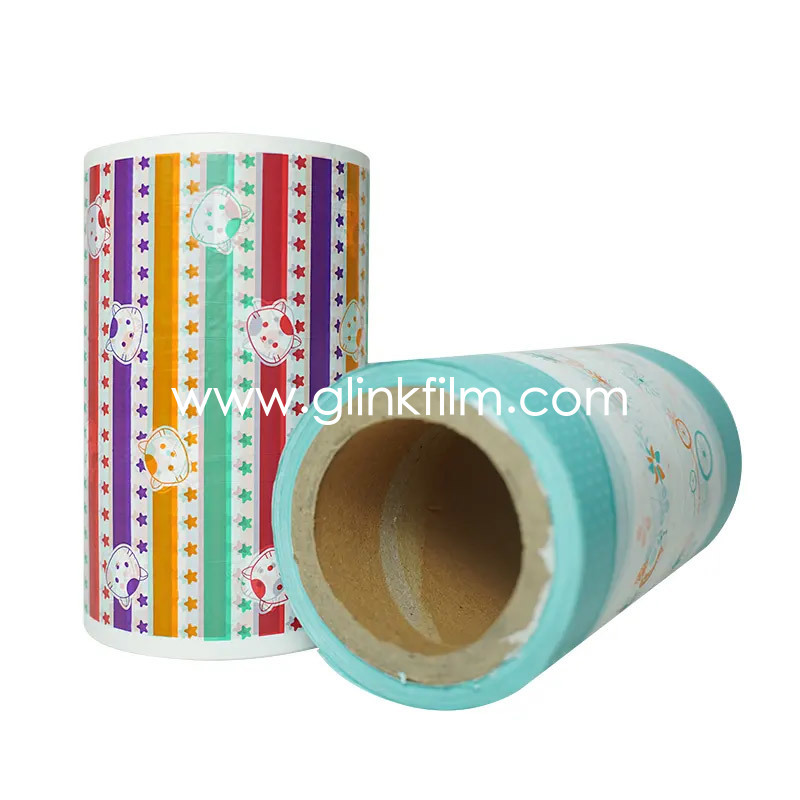
Why PE Backsheet Film is Essential for Baby Diapers: Understanding Its Role and Benefits
Table of Contents
- 1. Introduction to PE Backsheet Film
- 2. The Importance of Backsheet Film in Diapers
- 3. Key Properties of PE Backsheet Film
- 4. Benefits of PE Backsheet Film in Baby Diapers
- 5. Manufacturing Process of PE Backsheet Film
- 6. Sustainability in PE Backsheet Film Production
- 7. Challenges in Using PE Backsheet Film
- 8. The Future of PE Backsheet Film in Baby Diapers
- 9. Conclusion
- 10. Frequently Asked Questions
1. Introduction to PE Backsheet Film
The modern diaper has evolved dramatically over the years, integrating advanced materials to ensure optimal performance. One such material—**Polyethylene (PE) backsheet film**—plays a pivotal role in the functionality and effectiveness of baby diapers. This article dives deep into the significance of PE backsheet film in diapers, elucidating its properties, benefits, manufacturing processes, and future potential.
2. The Importance of Backsheet Film in Diapers
Understanding why PE backsheet film is essential begins with recognizing the critical functions it serves. The backsheet is the outer layer of the diaper, designed to provide a barrier against moisture while allowing for breathability. This dual role is essential for ensuring a baby’s comfort and health.
Moisture Barrier
The primary function of the PE backsheet film is to prevent liquid absorption from escaping the diaper. This moisture barrier is crucial in maintaining dryness and preventing skin irritation. By effectively containing urine and other fluids, the backsheet film helps to keep a baby's sensitive skin safe and dry.
Breathability
Despite its role as a moisture barrier, it is equally important that the backsheet allows air circulation. This breathability helps to reduce the risk of diaper rash and discomfort, keeping the baby feeling cooler and more comfortable.
3. Key Properties of PE Backsheet Film
The functionality of PE backsheet film is attributed to its unique properties. Understanding these properties can help manufacturers select the right materials for their diaper products.
Waterproof Nature
PE backsheet film's inherent waterproof qualities enable it to withstand the pressures of liquid absorption without leaking. This feature is vital for maintaining the integrity of the diaper throughout its use.
Softness and Comfort
In addition to being waterproof, PE backsheet film is designed to be soft to the touch. This softness is essential for ensuring that the diaper feels comfortable against the baby's skin, minimizing any potential irritation.
Lightweight
Another significant property of PE backsheet film is its lightweight nature. A lightweight backsheet does not weigh down the diaper, allowing for ease of movement and comfort for the baby, which is particularly important as they begin to crawl and walk.
4. Benefits of PE Backsheet Film in Baby Diapers
The benefits of utilizing PE backsheet film in baby diapers extend beyond mere functionality. They encompass aspects of comfort, health, and overall effectiveness.
Enhanced Skin Health
Using PE backsheet film significantly improves skin health by preventing leaks and keeping the skin dry. This reduces the occurrence of diaper rash, a common issue for parents of infants.
Increased Durability
PE backsheet film enhances the overall durability of the diaper. It helps to maintain the shape and structure of the diaper, thus prolonging its usability and effectiveness, making it a cost-effective choice for manufacturers.
Improved User Experience
Both parents and babies benefit from the advantages of PE backsheet film. Parents appreciate the stress-free experience of fewer leaks, while babies enjoy the comfort provided by a well-designed diaper.
5. Manufacturing Process of PE Backsheet Film
The manufacturing of PE backsheet film involves several steps, each crucial in ensuring the final product meets quality standards.
Polymer Selection
The first step in manufacturing PE backsheet film is selecting high-quality polymers. The type of polyethylene used directly affects the film's properties, including thickness, elasticity, and barrier performance.
Extrusion Process
The next step is the extrusion process, where the selected polymer is melted and formed into a thin film. This process allows for precise control over the film's thickness and properties, ensuring it meets the specific needs of diaper applications.
Quality Control
After extrusion, the film undergoes rigorous quality control testing to ensure it meets industry standards. This testing includes assessments of waterproofing, breathability, and softness, ensuring that manufacturers are providing a reliable product.
6. Sustainability in PE Backsheet Film Production
As awareness of environmental issues grows, the diaper industry faces increasing pressure to adopt sustainable practices. The production of PE backsheet film is no exception.
Exploration of Biodegradable Options
Manufacturers are exploring biodegradable materials as alternatives to traditional PE. Innovations in sustainable polymers could lead to more eco-friendly diapers without sacrificing performance.
Recycling Initiatives
In addition to exploring new materials, companies are implementing recycling initiatives to reduce waste. Collecting used diapers and recycling them into new products can significantly lessen the environmental impact.
7. Challenges in Using PE Backsheet Film
Despite its many advantages, the use of PE backsheet film is not without challenges.
Cost Considerations
The cost of high-quality PE backsheet film can be higher than alternative materials. This can be a deterrent for some manufacturers, especially those focused on budget-friendly options.
Health Concerns
There are ongoing discussions regarding the health implications of certain chemicals used in PE production. Manufacturers must ensure that the materials comply with safety regulations and are safe for use in baby products.
8. The Future of PE Backsheet Film in Baby Diapers
The future of PE backsheet film in baby diapers looks promising, with several trends and innovations on the horizon.
Technological Advancements
As technology continues to advance, new formulations and production techniques will emerge, enhancing the performance of PE backsheet film. These advancements may include improved moisture management and enhanced softness.
Market Trends
With increased consumer demand for eco-friendly products, the diaper industry is likely to see a shift towards more sustainable materials, including innovative PE alternatives that do not compromise on functionality.
9. Conclusion
In conclusion, PE backsheet film is an essential component in the design and manufacturing of baby diapers. Its unique properties provide vital benefits, including moisture retention, breathability, and comfort, all of which contribute to the overall health and happiness of infants. As the industry evolves, the introduction of sustainable practices and innovative materials will further enhance the role of PE backsheet film, ensuring that it remains a crucial element in diaper production for years to come.
10. Frequently Asked Questions
What is PE backsheet film?
PE backsheet film is a layer in baby diapers that acts as a moisture barrier, preventing leaks and ensuring comfort for the baby.
Why is PE backsheet film important for baby diapers?
PE backsheet film is crucial for maintaining dryness, preventing leaks, and enhancing overall comfort, which helps protect a baby's sensitive skin.
How does the manufacturing process of PE backsheet film work?
The manufacturing process involves selecting quality polymers, extruding them into a thin film, and conducting rigorous quality control testing to ensure performance standards.
Are there sustainable alternatives to PE backsheet film?
Yes, manufacturers are exploring biodegradable materials and implementing recycling initiatives to reduce the environmental impact of diaper production.
What challenges are associated with using PE backsheet film?
Challenges include higher costs compared to alternatives and potential health concerns related to certain chemicals used in production.
This comprehensive exploration of PE backsheet film underscores its undeniable importance in the world of baby diapers. Understanding its role, benefits, and potential innovations equips both manufacturers and consumers with the knowledge needed to make informed decisions in this essential industry.
Related News

The Role of Breathable Film in Enhancing Baby Diapers: A Comprehensive Guide
The Role of Breathable Film in Enhancing Baby Diapers Table of Contents 1. Understanding Breathable Film Technology 2. The Benefits of Breathable Film in Baby Diapers 2.1 Improved Comfort for Babies 2.2 Enhanced Skin Health 2.3 Increased Absorbency and Leakage Protection 3. How Breathable Film Works 3.1 The Science Behind Breathable Films 3.2 Different Types of Breathable Films Used in Diapers 4.
Oct 11,2025
The Versatility and Benefits of Breathable Film in Baby Products
Breathable film is gaining traction as a key component in the production of various baby products, especially in the light consumer goods sector focused on maternal and infant care. This innovative material offers a unique combination of water resistance and moisture permeability, making it an ideal choice for items such as diapers, mattress covers, and clothing for infants. One of the primary be
Oct 06,2025

Global Link is one of the leading PE film manufacturer in the hygiene industry since 2008.
Contact Us
Quangang District, Quanzhou City, Fujian Province, China
Request A Quote