News Center
Contact Information
Mobile phone/Wechat/Whatsapp:
+86 19959953955
Email: Info@glinkscm.com
Company Address: Quangang District, Quanzhou City, Fujian
Province, China
Exploring the Benefits of Using Breathable Films in Sanitary Products
Release time:
Oct 07,2024
Exploring the Benefits of Using Breathable Films in Sanitary Products Table of Contents Introduction to Breathable Films Understanding Breathable Films in Sanitary Applications Key Advantages of Breathable Films in Sanitary Products Improved Comfort and Wearability Enhanced Hygiene and Protection Positive Environmental Impact In
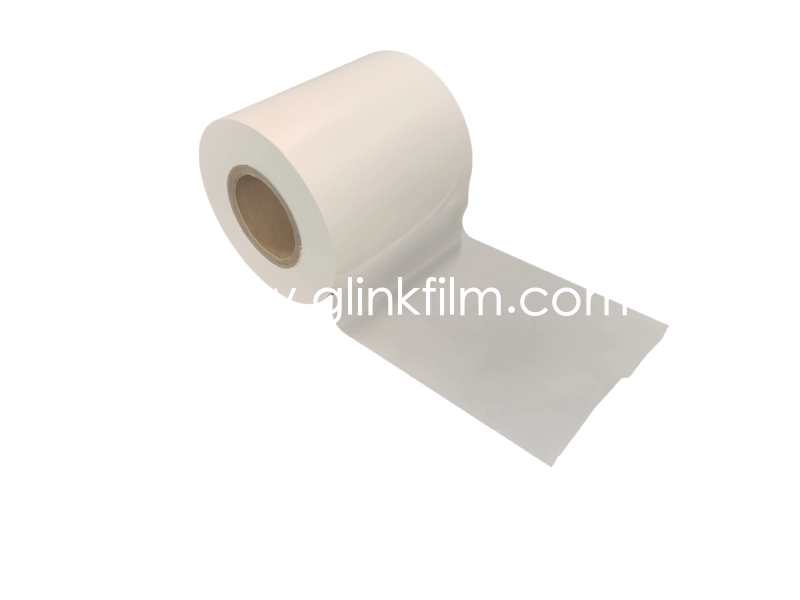
Exploring the Benefits of Using Breathable Films in Sanitary Products
Table of Contents
- Introduction to Breathable Films
- Understanding Breathable Films in Sanitary Applications
- Key Advantages of Breathable Films in Sanitary Products
- Improved Comfort and Wearability
- Enhanced Hygiene and Protection
- Positive Environmental Impact
- Increased Durability and Longevity
- Applications of Breathable Films in Sanitary Products
- Manufacturing Process of Breathable Films
- Future Trends in Breathable Film Technologies
- FAQs About Breathable Films in Sanitary Products
- Conclusion
Introduction to Breathable Films
Breathable films are increasingly becoming a fundamental component in the manufacturing of various sanitary products, such as diapers, feminine hygiene products, and adult incontinence solutions. These films possess unique properties that allow moisture vapor to escape while preventing liquid and contaminants from penetrating, thus enhancing user comfort and hygiene. In this article, we will explore the myriad benefits associated with the use of breathable films in sanitary products, including their impact on comfort, hygiene, durability, and environmental considerations.
Understanding Breathable Films in Sanitary Applications
Breathable films are engineered materials typically made from polymers, such as polyurethane or polyethylene. Their structure is characterized by microscopic pores, which enable gases and moisture to pass through while blocking larger particles and liquids. This innovative design is crucial in creating products that require a delicate balance of breathability and protection.
The significance of breathable films extends beyond just function; it encapsulates the advancement of technology aimed at improving the user experience in personal care products. By understanding the science behind these films, manufacturers can create products that not only meet regulatory standards but also prioritize consumer satisfaction.
Key Advantages of Breathable Films in Sanitary Products
Improved Comfort and Wearability
One of the primary benefits of breathable films in sanitary products is the enhancement of comfort. Traditional materials often lack breathability, leading to skin irritations and discomfort during extended use. Breathable films mitigate this issue by allowing air circulation, which helps to regulate temperature and wick away moisture.
This is particularly important for products that are worn for long periods, such as diapers and feminine hygiene products. Users experience reduced chafing and irritation, leading to a more pleasant wearing experience. The result is a product that not only performs well but also prioritizes user comfort, making it an attractive option for both manufacturers and consumers.
Enhanced Hygiene and Protection
Hygiene is paramount in the design of sanitary products, and breathable films play a crucial role in maintaining a clean environment. The ability of these films to block liquid penetration while allowing moisture vapor to escape significantly reduces the risk of bacterial growth.
This is especially vital in products like adult diapers and feminine hygiene pads, which are prone to moisture accumulation. By using breathable films, manufacturers can create products that keep users dry and comfortable, while also minimizing the chances of developing skin infections or other hygiene-related issues.
Positive Environmental Impact
As sustainability becomes a critical concern for consumers and manufacturers alike, the use of breathable films can contribute to environmentally friendly practices. Many breathable films are designed to be biodegradable or recyclable, reducing the overall environmental footprint of sanitary products.
By choosing products that utilize these films, consumers can make more informed decisions that align with their values regarding sustainability. Furthermore, advancements in reusable and compostable materials are paving the way for a greener future in the personal care industry.
Increased Durability and Longevity
Durability is another significant advantage offered by breathable films. These materials are designed to withstand wear and tear without compromising their functionality. This increased durability translates to longer-lasting products, which benefits both manufacturers, who seek to reduce waste, and consumers, who appreciate the value of high-quality items.
The robust nature of breathable films allows for the creation of thinner products without sacrificing performance. This not only results in a more discreet user experience but also contributes to cost savings in production and shipping, further enhancing the overall sustainability of the product line.
Applications of Breathable Films in Sanitary Products
Breathable films have a wide array of applications within the sanitary products sector. Their versatility allows them to be utilized in various forms, including:
- **Diapers**: Breathable films enhance the comfort, absorbency, and hygiene of baby diapers, making them a preferred choice for parents.
- **Feminine Hygiene Products**: Pads and panty liners benefit from breathable films that improve airflow, keeping users dry and comfortable during their menstrual cycle.
- **Adult Incontinence Products**: Breathable films provide the necessary protection and comfort for adults dealing with incontinence, allowing them to maintain their dignity and quality of life.
- **Wound Dressings**: The breathable nature of these films aids in moisture management, promoting healing while protecting the wound from external contaminants.
The diverse applications of breathable films underscore their significance in the sanitary products industry, showcasing their ability to meet varied consumer needs.
Manufacturing Process of Breathable Films
The production of breathable films involves several key stages, including polymer selection, film extrusion, and porosity creation.
1. **Polymer Selection**: Manufacturers begin by choosing appropriate polymers that provide the desired balance of flexibility, strength, and breathability.
2. **Film Extrusion**: The selected polymers are melted and formed into thin films through an extrusion process. This stage is crucial as it determines the film's initial properties.
3. **Porosity Creation**: Finally, the films are treated to create the microscopic pores that characterize breathable films. Techniques such as solvent casting or stretching can be employed to achieve this desired porosity.
By understanding the intricacies of the manufacturing process, manufacturers can innovate and enhance the functionality of breathable films, leading to better products in the sanitary realm.
Future Trends in Breathable Film Technologies
The future of breathable films in sanitary products is promising, with advancements in technology paving the way for even greater benefits. Some emerging trends include:
- **Smart Materials**: The integration of sensors and smart materials into breathable films could allow for real-time monitoring of moisture levels, enhancing user comfort and hygiene.
- **Biodegradable Options**: As sustainability becomes increasingly important, the focus on developing biodegradable breathable films is set to rise, appealing to environmentally conscious consumers.
- **Enhanced Customization**: Manufacturers may explore more customizable breathable films tailored to specific user needs, enhancing overall satisfaction and product performance.
These trends indicate a shift towards more innovative, user-centric products that prioritize comfort, hygiene, and sustainability.
FAQs About Breathable Films in Sanitary Products
1. What are breathable films made of?
Breathable films are typically made from polymers such as polyurethane or polyethylene, which are engineered to allow moisture vapor to escape while blocking liquids.
2. How do breathable films enhance comfort in sanitary products?
Breathable films permit air circulation, helping to regulate temperature and wick away moisture, reducing the risk of skin irritation and discomfort during extended wear.
3. Are breathable films environmentally friendly?
Many breathable films are designed to be biodegradable or recyclable, making them a more sustainable choice for sanitary products compared to traditional materials.
4. Can breathable films prevent bacterial growth?
Yes, breathable films create a barrier against liquid penetration while allowing moisture vapor to escape, significantly reducing the risk of bacterial and fungal growth.
5. What types of sanitary products use breathable films?
Breathable films are commonly used in diapers, feminine hygiene products, adult incontinence solutions, and wound dressings, enhancing their performance and user experience.
Conclusion
The incorporation of breathable films in sanitary products marks a significant advancement in personal care technology. By enhancing comfort, hygiene, durability, and environmental sustainability, these films play a crucial role in elevating the quality of everyday products. The ongoing innovation in this field promises a future where consumers can enjoy improved functionality and peace of mind, making breathable films an essential component in the evolution of sanitary products.
Key words:
Related News

The Role of Breathable Film in Enhancing Baby Diapers: A Comprehensive Guide
The Role of Breathable Film in Enhancing Baby Diapers Table of Contents 1. Understanding Breathable Film Technology 2. The Benefits of Breathable Film in Baby Diapers 2.1 Improved Comfort for Babies 2.2 Enhanced Skin Health 2.3 Increased Absorbency and Leakage Protection 3. How Breathable Film Works 3.1 The Science Behind Breathable Films 3.2 Different Types of Breathable Films Used in Diapers 4.
Oct 11,2025
The Versatility and Benefits of Breathable Film in Baby Products
Breathable film is gaining traction as a key component in the production of various baby products, especially in the light consumer goods sector focused on maternal and infant care. This innovative material offers a unique combination of water resistance and moisture permeability, making it an ideal choice for items such as diapers, mattress covers, and clothing for infants. One of the primary be
Oct 06,2025

Global Link is one of the leading PE film manufacturer in the hygiene industry since 2008.
Contact Us
Quangang District, Quanzhou City, Fujian Province, China
Request A Quote