News Center
Contact Information
Mobile phone/Wechat/Whatsapp:
+86 19959953955
Email: Info@glinkscm.com
Company Address: Quangang District, Quanzhou City, Fujian
Province, China
UK government bans plastic wet wipes
Release time:
Jul 25,2024
The UK government has announced legislation that will ban wet wipes containing plastic. The Department for Environment, Food and Rural Affairs (Defra) plans to set out the legislation for England before the summer recess, with Northern Ireland, Scotland and Wales to implement the ban in a coordinated manner in the autumn.
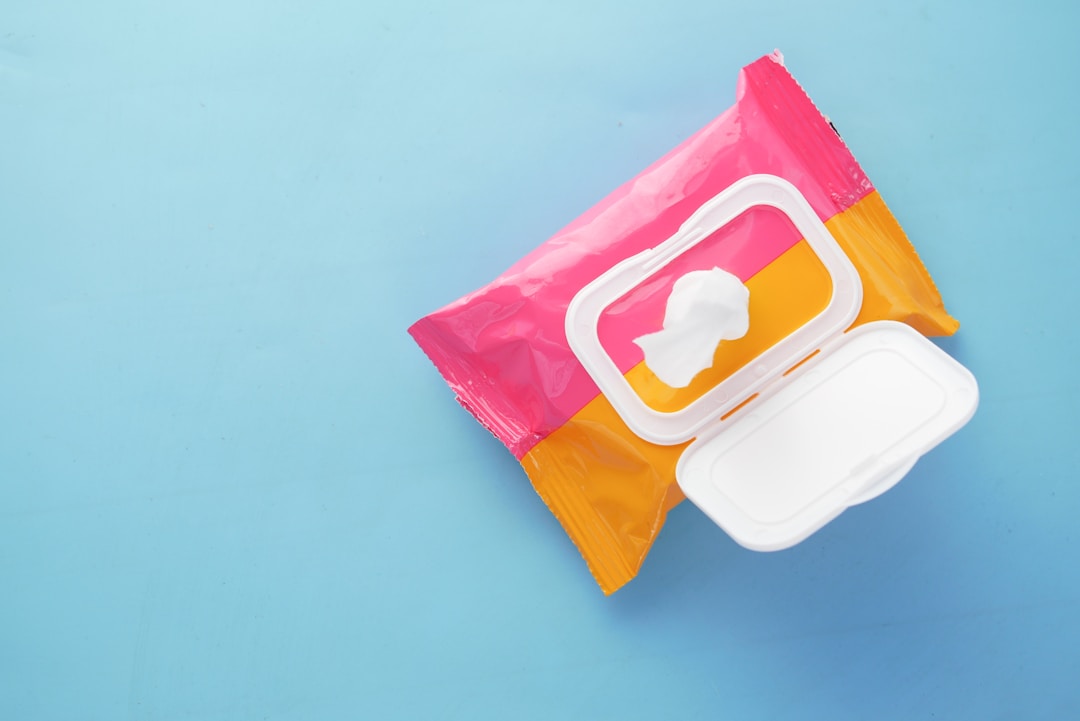
The UK government has announced legislation that will ban wet wipes containing plastic. The Department for Environment, Food and Rural Affairs (Defra) plans to set out the legislation for England before the summer recess, with Northern Ireland, Scotland and Wales to implement the ban in a coordinated manner in the autumn.
Plastic wipes break down into microplastics over time, which research suggests can be harmful to human health and disrupt ecosystems – recent surveys showed an average of 20 wipes found per 100 metres on beaches surveyed in the UK. Once in the aquatic environment, wet wipes containing plastic can accumulate biological and chemical contaminants, increasing the risk of exposure for animals and humans.
Lawmakers argue that a ban on wet wipes containing plastic will reduce plastic and microplastic pollution and reduce the amount of microplastics entering wastewater treatment sites due to incorrect disposal – meaning beaches and sewers will benefit from the ban.
Public opinion surveys show strong public support for the proposed ban – which would be introduced via secondary legislation under the Environment Act 1990, with 95% of respondents in favour of the proposals.
Environment Secretary Steve Barclay said: “Wet wipes containing plastic are polluting our sewers, contributing to microplastics entering the environment. Following our successful charge for single-use plastic bags and ban on microbeads in personal care products, Defra will introduce legislation before the summer recess to crack down on this source of pollution. I have been clear that big changes are needed to protect our sewers from pollution. This ban builds on a range of measures already in place to protect our sewers and hold water companies to account – including accelerated investment to put fines from water companies back into the environment and increased inspections of water company sites.”
The European Nonwovens Association (EDANA) also supports the legislation. The association said in a prepared statement: "Reducing plastic in the environment is a vitally important goal, but it also needs to ensure that parents, carers, businesses and the NHS can continue to enjoy the valuable functions that wet wipes provide in terms of hygiene, antiviral properties (especially after the COVID-19 pandemic), care, childcare and industrial processes. Reducing plastic needs to achieve environmental goals while avoiding the loss of manufacturing jobs in communities across the UK, which could result in a loss of investment, competitiveness and innovation."
"In recent years, the UK wet wipes industry has made significant progress in reducing the use of plastic in household wipes, with more than 100 million wipes currently on the UK market. Half of all household wipes are already plastic-free. The UK government has made these proposals based on careful consideration. We look forward to working with the government to implement and progress plastic-free household wipes in the UK moving forward. At the same time, we are pleased to see that these proposals ensure that wipes continue to perform an important function, allowing the industry to continue to innovate and operate, without unnecessary loss of jobs and investment in the UK market.
"We have taken significant steps in this direction and on this basis, EDANA branches operating in the UK will forge ahead and launch plastic-free household wipes that comply with any new government regulations and are consistent with the proposed timetable."
In the past 18 months, several UK retailers, including Boots and Aldi, have banned the sale of plastic-containing wipes in their stores.
Luke Emery, Aldi's head of plastics and packaging, said: "Removing plastic from Aldi wipes two years ago has had a positive impact on our customers and the environment. We have removed around 7,000 tonnes of unwanted plastic from the system, which has been welcomed by Aldi shoppers. We support the introduction of this new legislation and believe it will have a positive impact on everyone. ”
From the date the legislation is passed, an 18-month transition period will begin to allow businesses time to prepare. Following consultation with industry, the ban will not target the manufacture of these products, in line with the recent single-use plastics directive. However, the government will continue to encourage manufacturers to ensure all of their wipes are plastic-free.
The government’s response also provides for exemptions, with the aim of ensuring that wipes containing plastic remain available where there are no viable alternatives – for example for medical disinfection purposes. The government will review the need for these exemptions regularly.
Major wipe manufacturers have already focused on limiting the use of plastic in their products. Last year, Johnson & Johnson’s Neutrogena brand partnered with Lenzing’s Veocel fiber brand to transition its makeup remover wipes to 100% plant-based fibers. The company’s wipes now use Veocel-branded fibers made from renewable wood, sourced from sustainably managed and certified forests, and are compostable at home within 35 days, eliminating waste that would otherwise end up in landfill.
Key words:
Related News

The Role of Breathable Film in Enhancing Baby Diapers: A Comprehensive Guide
The Role of Breathable Film in Enhancing Baby Diapers Table of Contents 1. Understanding Breathable Film Technology 2. The Benefits of Breathable Film in Baby Diapers 2.1 Improved Comfort for Babies 2.2 Enhanced Skin Health 2.3 Increased Absorbency and Leakage Protection 3. How Breathable Film Works 3.1 The Science Behind Breathable Films 3.2 Different Types of Breathable Films Used in Diapers 4.
Oct 11,2025
The Versatility and Benefits of Breathable Film in Baby Products
Breathable film is gaining traction as a key component in the production of various baby products, especially in the light consumer goods sector focused on maternal and infant care. This innovative material offers a unique combination of water resistance and moisture permeability, making it an ideal choice for items such as diapers, mattress covers, and clothing for infants. One of the primary be
Oct 06,2025

Global Link is one of the leading PE film manufacturer in the hygiene industry since 2008.
Contact Us
Quangang District, Quanzhou City, Fujian Province, China
Request A Quote